

When doing tourism in Salamanca, its bars and restaurants are a great beginning in the immersion into the Spanish history. As well as in most of the tourist cities, it is highly recommended to be aware where are you entering in, but there are great places to enjoy the region’s gastronomy in the majority of Salamanca’s locations.

Lately, new and really worth visiting restaurants specialized in both modern cuisine and typical dishes and tapas have been opened.
Taking into account that Salamanca is a university city, it has a huge quantity of young people that have to eat daily with a limited budget, therefore in this city it is possible to eat as the Spanish saying goes: “good, nicely and cheap” .
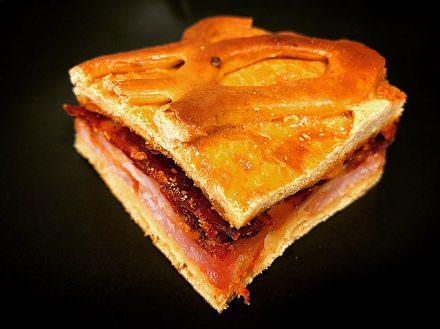
Hornazo: The province of Salamanca is where the most popular hornazo of Spain is made. This dish consists in a bun of bread filled with various types of pork. It is usually elaborated with chorizo, loin, and ham. Sometimes, eggs are also included. The dough surrounding the filling is elaborated with butter. Nowadays, this dish is very popular in Salamanca, and it is usually purchased in pastries such as Gil, La Industrial, or La Madrileña.
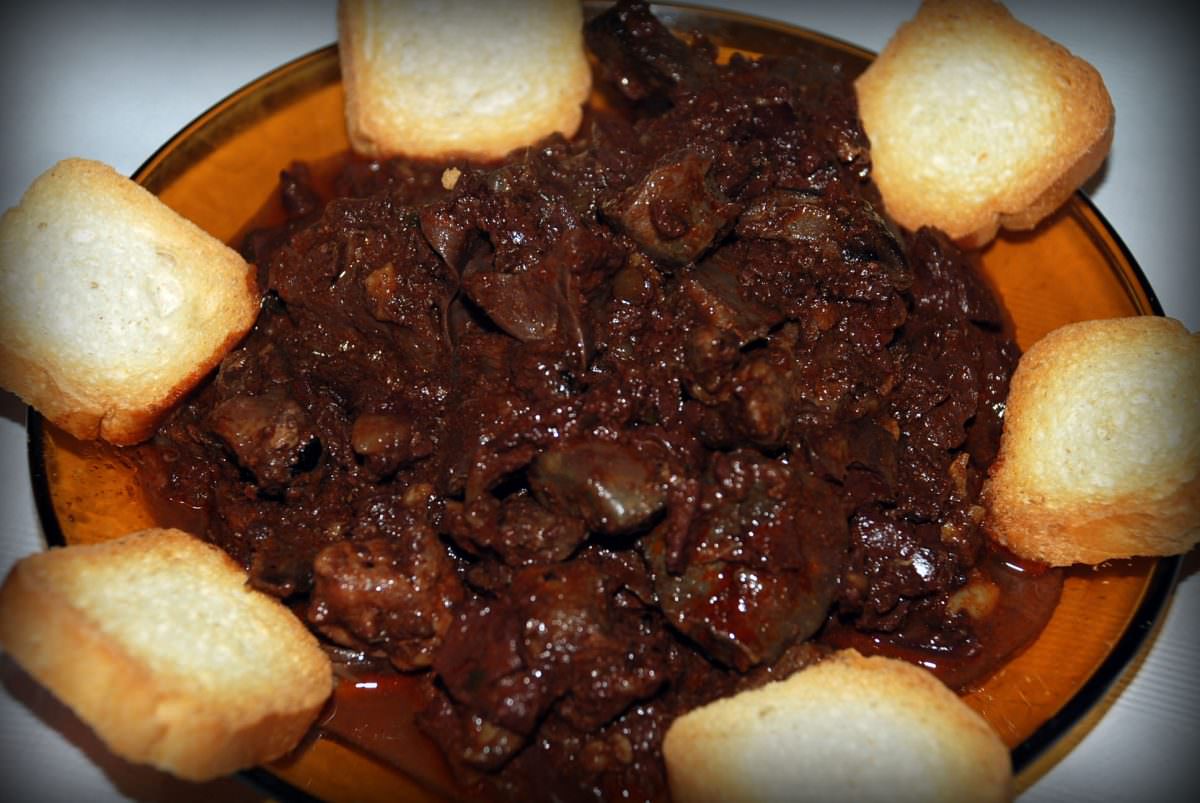
Chanfaina: this dish is a stew elaborated with a base of sautéed onion and garlic with lamb’s meat and offal. Salamanca’s chanfaina also has lamb blood, rice, and chopped boiled eggs. This mixture is later spiced with paprika and cumin. This is a tapa frequently served in bars.
Limón Serrano: This dish is not very known by the visitors since it is more typical of Béjar . Even so, it is also served in some bars and restaurants of Salamanca. This lunatic dish, which is not very known, is not typical of the city of Salamanca, but of Béjar and Sierra de Francia. Nevertheless, it still can be found in many restaurants of the capital and, thus, it is a crucial item in this gastronomical list.
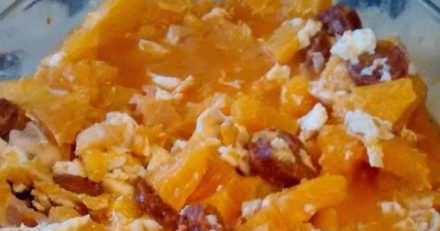
From its aspect, it could be stated that it is a salad composed with chorizo, canned tuna, both boiled and fried eggs, and citrus fruits such as lemons and oranges. It is believed that these citrus fruits were used by shepherds in order to preserve the meat for a longer time.
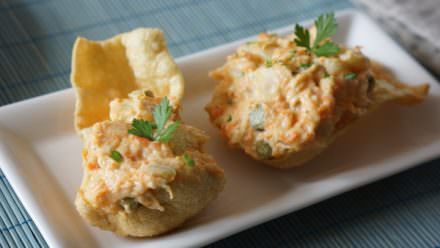
Paloma: this tapa can only be found in Salamanca, but is available in every bar of this city. It is a fried wheat crust with Russian salad over it.
Bollo maimón: it is the most representative dessert of Salamanca. It is elaborated with corn flour, sugar, and lemon. The original recipe has a very fluffy consistency.
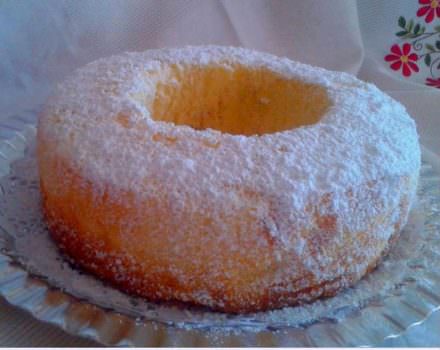
It can be found in Salamanca’s pastries; however, the most conventional way is making it in home. There is a tradition related to this sweet known as “bailar la rosca” or “dancing the doughnut” that consists on dancing around this dessert before a wedding.
The tradition of accompanying the drinks with tapas is still preserved in Salamanca. The tapas vary from bar to bar since each one has a particular and representative tapa. Because it is normally a cooked tapa, the price can seem a little more elevated in comparison to the ones of other provinces.
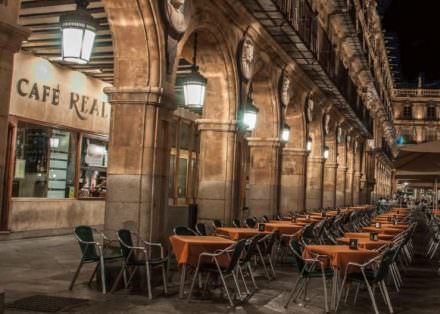
There are three main zones where you can practice this Spanish costume: in Plaza Mayor (the Main Square) and its surroundings, Van Dyck Street (the most economic area, frequented by university students), and the Barrio del Oeste, in which the “gastrobar” establishments inspired in the bars of European capitals are very trendy.