

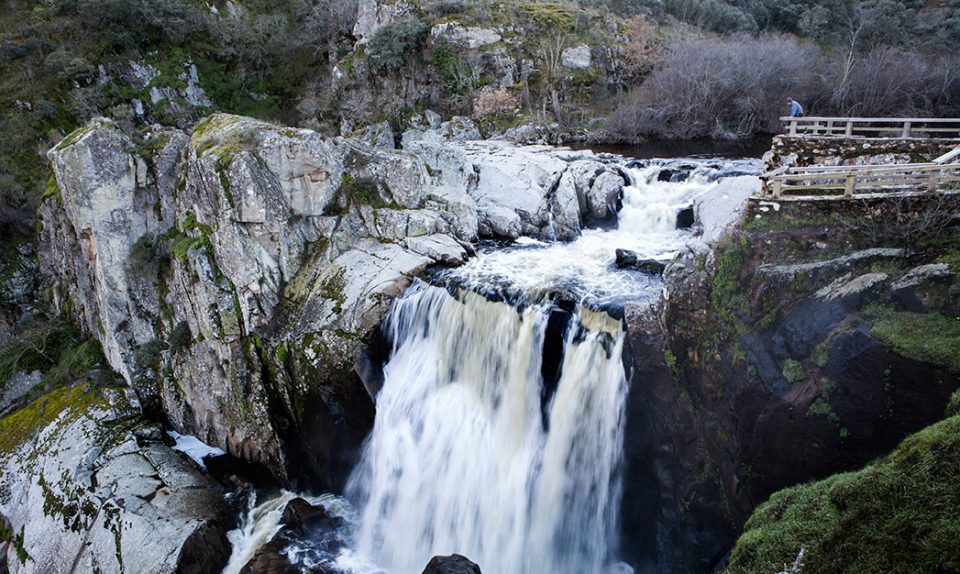
Arribes del Duero Natural Park, located in Los Arribes, is a protected natural area between Salamanca and Zamora, alongside the Portuguese frontier. Its name comes from the words “arribes,” “arribas” and “arribanzos” used in León to designate the geomorphology of the rivers Águeda, Duero, Esla, Huebra, […]
0 Read More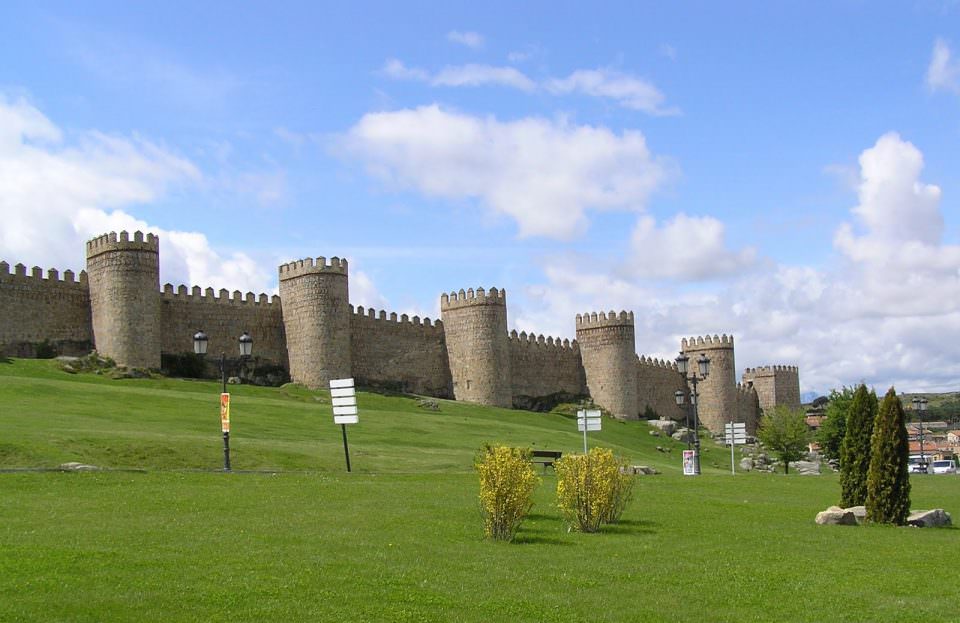
The Walls of Ávila is a walled military camp that goes around the city’s old town. The old town, as well as the Walls and the churches outside the walls were designated World Heritage sites in 1985. Even before that, in 1982, Ávila had been designated […]
0 Read More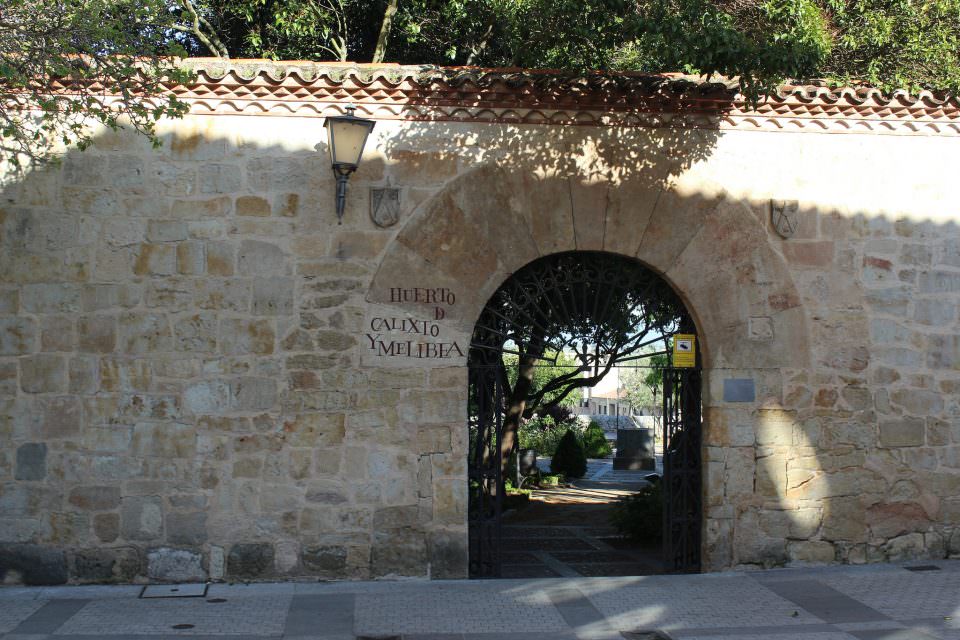
Calixto and Melibea’s Garden is located where it is thought the writer Fernando de Rojas located the meeting place of the main characters and the place where the tragic ending of his well-known novel “La Celestina” took place. Its plot revolves around the dramatic love relationship […]
0 Read More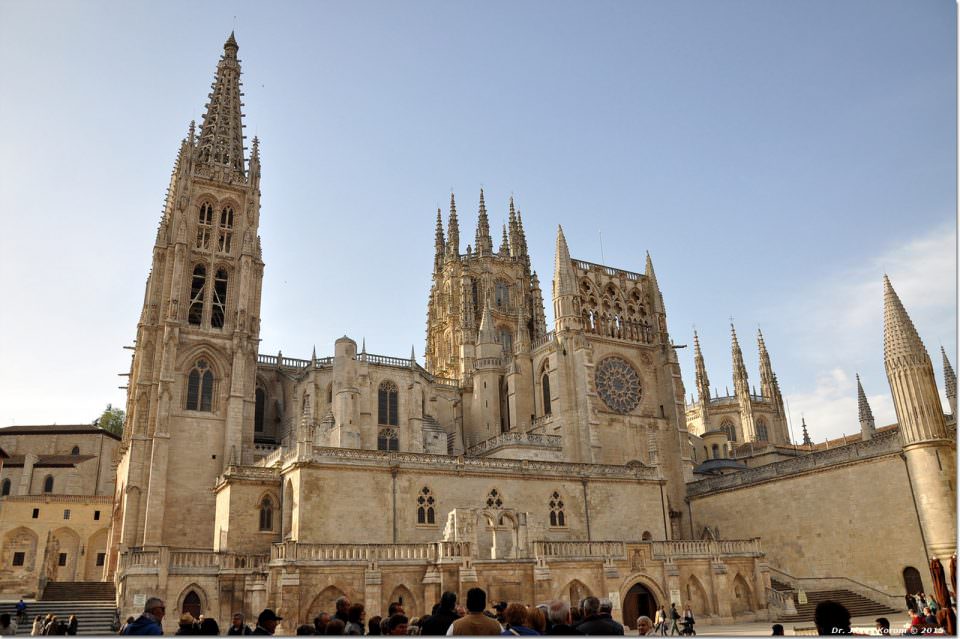
Burgos Cathedral is also known as Santa Iglesia Catedral Basílica Metropolitana de Santa María, a Catholic cathedral dedicated to Virgin Mary. The history of this great cathedral started when the king Alphonse VI and the Pope Gregory VII appointed Burgos episcopal see in 1075. The king […]
0 Read More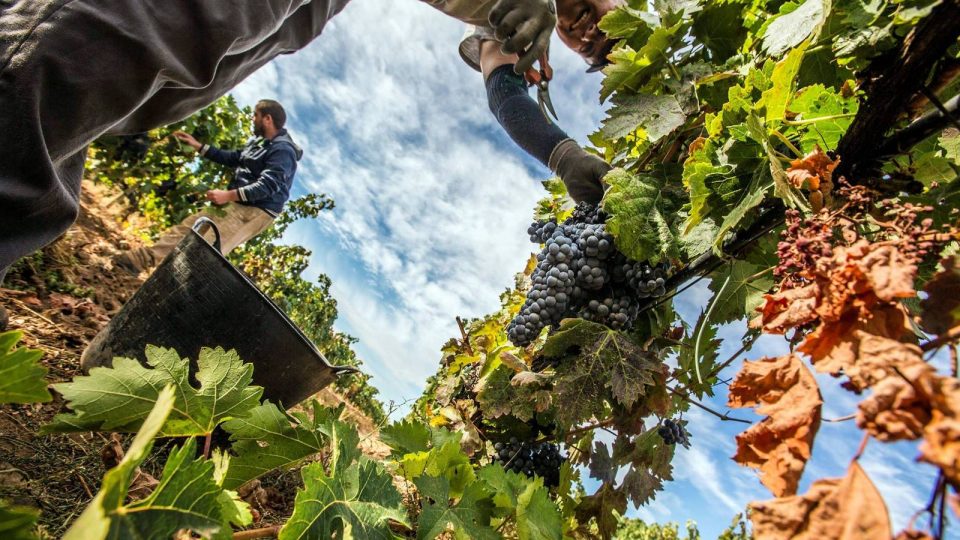
Ribera del Duero is a denominación de origen under which the vineyards located in Castilla y León are gathered, within a zone that broadens to 115 kilometers length and 35 kilometers width in the Duero river basin. It is located in the frontier of Soria, Burgos, Segovia […]
0 Read More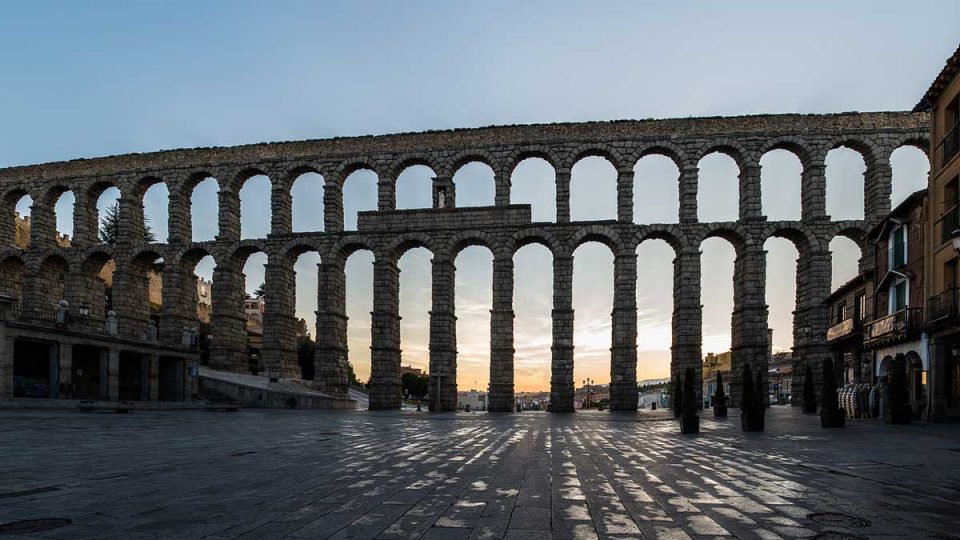
Aqueduct of Segovia is a Roman aqueduct built in order to supply the city with water. It takes the water from Buenfría spring, located in the mountain range 17 kilometers away from the city, in an area called La Acebeda. It follows a more than 15 […]
0 Read More
Yemas de Santa Teresa is the most representative confectionery element of Ávila. Its popularity has gone beyond Castilla y León and they can be purchased in other Spanish bakeries. The reputation of this candy have turned it into a kind of souvenir associated to Ávila. Its […]
0 Read More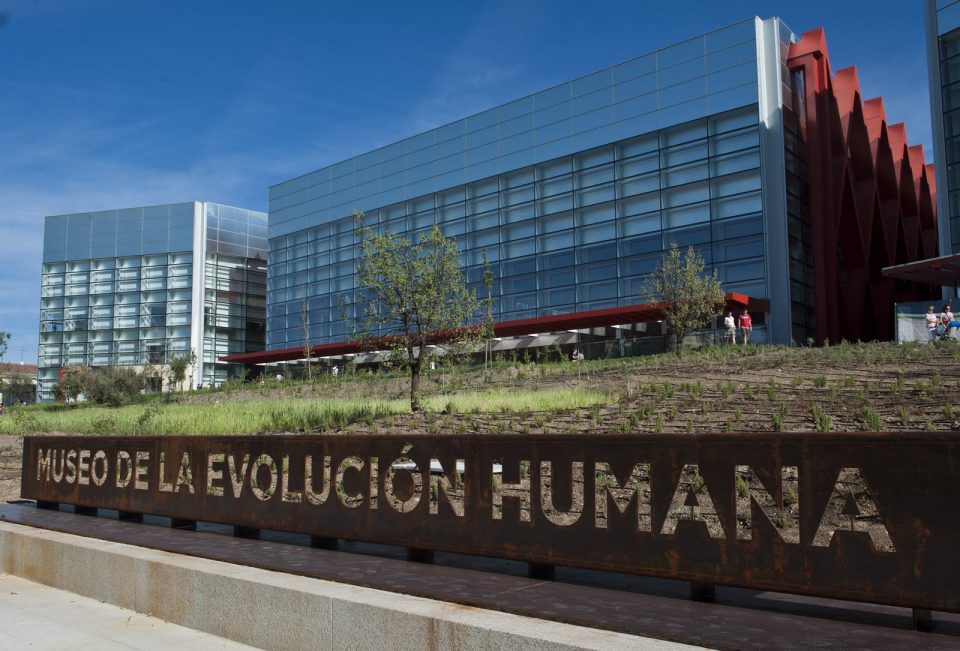
The Museum of Human Evolution located in Burgos is not only one of the most visited museum in Castilla y León, but also in Spain. Only during its first year it received 279,000 visitors. It is a part of the regional museums web of Castilla y […]
0 Read More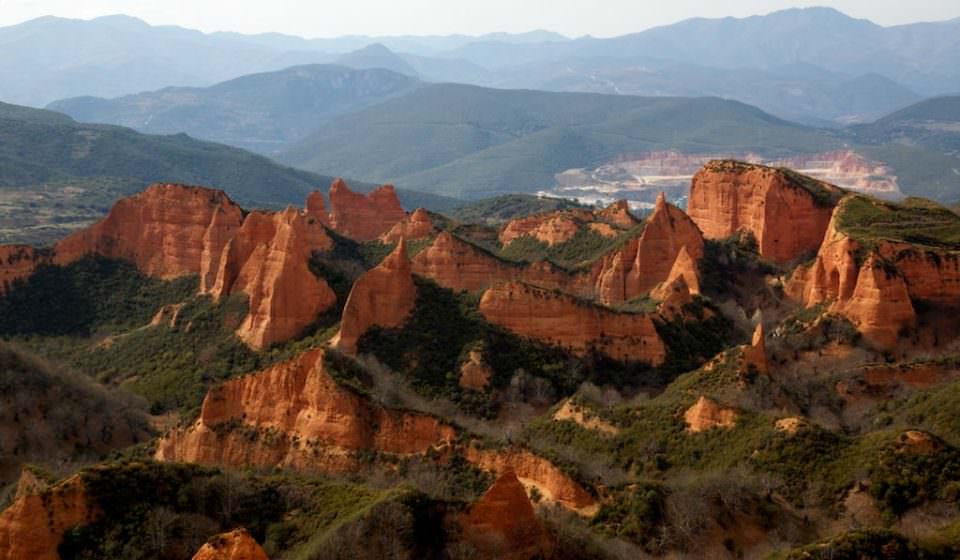
Las Médulas was the biggest gold open-pit mine of the Roman Empire. Both human and natural actions have turned this area into of the most charming and interesting landscapes of the Iberian Peninsula. It was designated World Heritage site in 1997, and a year earlier it […]
0 Read More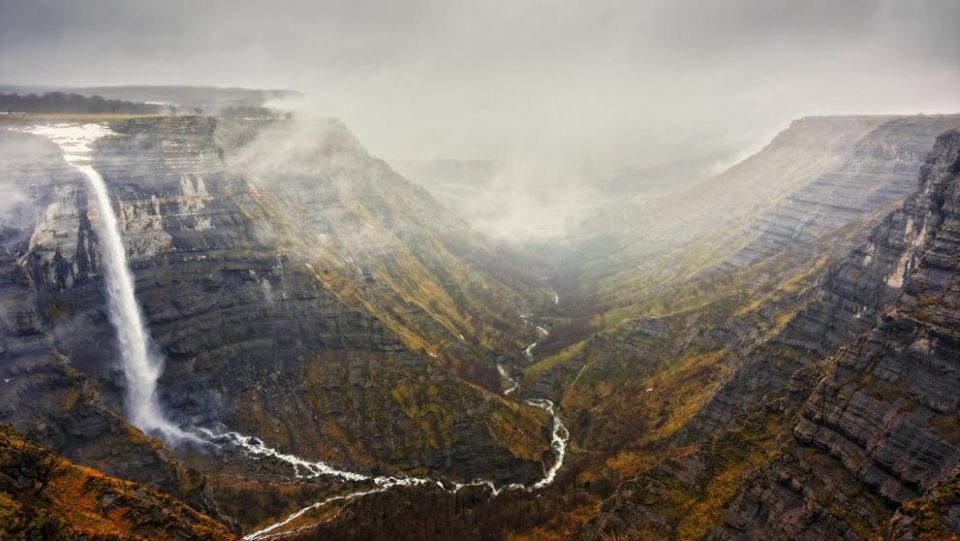
In Burgos, close to the frontier with Álava, the most superb rocky amphitheatre of the Iberian Peninsula can be found. During rainy and snowmelt seasons, Nervión river falls down its 222+ meters waterfall, and when these facts are not present, the waterfall may be found completely […]
0 Read More