

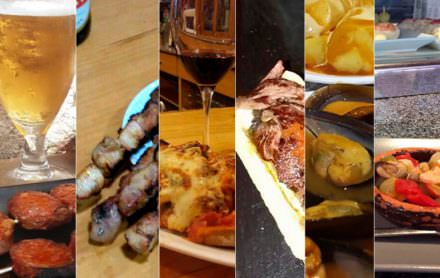
In Zamora, there’s a great gastronomical culture given the excellent products from local agriculture and livestock.
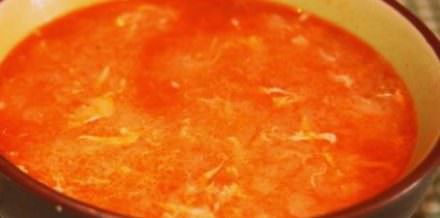
There are several products to taste in the province of Zamora. We suggest the magnificent “boda de sopa” (“the wedding soup”) for wintertime: it’s a garlic soup with pieces of Serrano ham and chorizo sausage. The dishes “habones a la sanabresa” and “arroz a la zamorana” are also much recommended: in both cases, pig’s ears, nose, and legs are used as main ingredients.
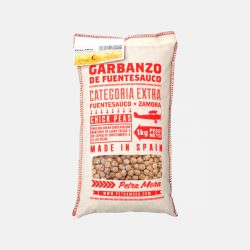
Dishes elaborated with legumes are deeply rooted in Zamora since in this province there’s a very particular kind of lentil —lenteja pardina de Tierra de Campos— and a characteristic chickpea —garbanzo de Fuentesaúco—.
As for meat dishes, we can find roasted pig (cochinillo asado), roasted suckling lamb (lechazo), and roasted suckling goat (cabrito). These dishes are also typical in other provinces of this region, but what is special in Zamora is that ajilimójili sauce (a dressing out of chamomile oil, chilli oil, garlic, and vinegar) is used as a side dish.
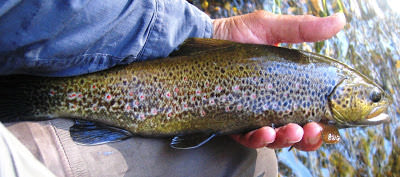
Not only meat dishes are important in Zamora, but also fish dishes: trout from River Esla (which is usually grilled) and cod (which is prepared in different styles: “ajoarriero” or “a la tranca”).
In June, there is a local fair or exhibition named “Feria del Ajo” (meaning “Garlic’s Fair”) as part of the festivity of San Pedro. Since this vegetable is used in many recipes in Zamora, it has become one of the province’s hallmarks. Finally, it’s interesting to note that on Resurrection Sunday, at Easter, the tradition in Zamora is to eat garlic soup in the morning.
Zamora offers a diverse range of wines under a registered designation of origin to drink while having lunch. These are the wines from Zamora with a designation of origin:
If you visit this province in late April or early May, you’ll surely enjoy the special tapas tour “de tapas por Zamora”, which offers a wide array of tapas of either traditional or avant-garde cuisine as well as drinks.
Since every good meal should finish with a proper dessert, Zamora’s bakeries are known for their cañas zamoranas (buns filled with delicious pastry cream), rebojos (syrup biscuits with a pinch of alcohol), and dulces de las monjas (nut or almond sweets made by nuns).
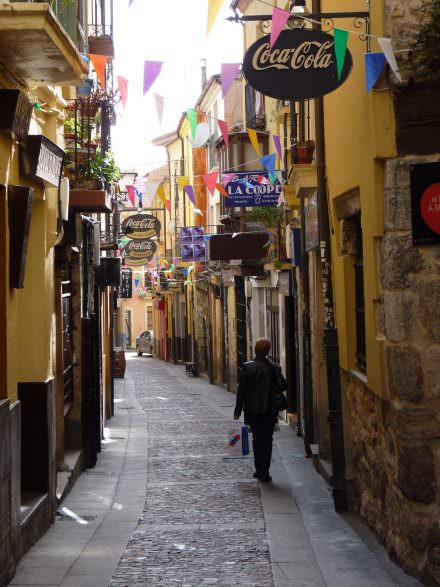
In Zamora, it’s very typical to have lunch by eating different tapas instead of an ordinary full meal: this is called «tapeo». Both tourists and locals can find a lot of bars and restaurants to taste the local traditional cuisine.
Los Herreros is a street in Zamora where people seeking regional gastronomy go to. It’s a crowded narrow street located at the former riverbed of a river that doesn’t exist anymore. At the beginning of the street, we can find Mesón los Herreros, a restaurant that offers different home-made toasts daily.
If you let your lunch drag on until evening, Quintí is a terrific place when the sun goes down since you can enjoy excellent tapas and drinks there.
Once you go through Los Herreros Street, you’ll find Bar Chori. The name of this bar is a tribute to its signature dish: “chorizo a la brasa” (grilled chorizo sausage).
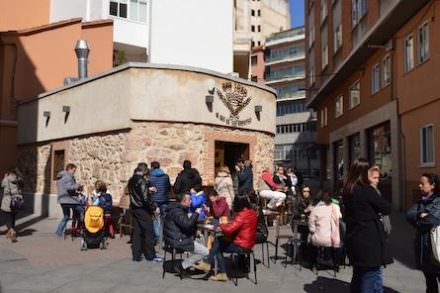
Last but not least, you can walk to La Farola Square and its surroundings, located next to la Marina Park, since they have become one of the main hotspots of this town over the last ten years. We would like to highlight that magnificent pinchos morunos (=brochettes) grilled over a charcoal fire are served in bar El Lobo.