

Ávila is a Spanish city and municipality, located in the province of Ávila, in the autonomous community of Castile-Leon. It is the capital of the homonymous province and its region, which includes Amblés Valley and La Sierra de Ávila. It is located next to the course of the Adaja River and it portrays the highest province’s capital of Spain, being 1,131 meters over the sea level. For this reason, snowstorms are relatively frequent on its downtown in winter.
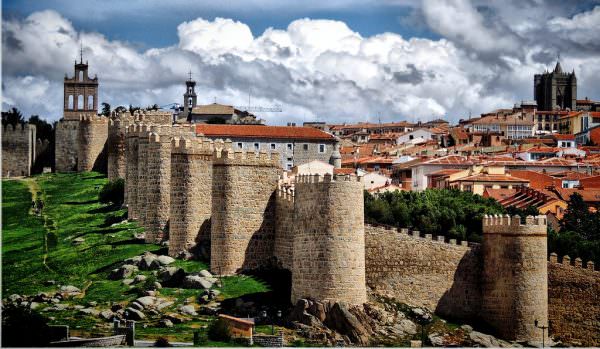
Ávila is one of the less populated provincial capitals of Spain. According to the Census realised by the City Hall in April of 2019, its municipality has an area of 230.71 km2 and a population of 60,630 inhabitants.
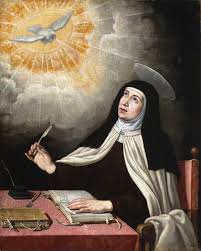
Ávila has been the birthplace of several historical characters such as Santa Teresa de Jesús, considered the main Spanish mystical writer of the history by many experts. She was also the founder of the religious Order of Carmelitas Descalzas and, every October 15, this city celebrates its patronal festivities on her honour.
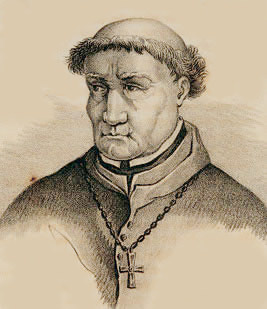
Another historical character born in Ávila was Tomás de Torquemada, a Dominic monk whose life was marked by controversy. He was the Grand Inquisitor of the kingdoms of Castile and Aragón who led the persecution against ethnic minorities in the medieval Spain.
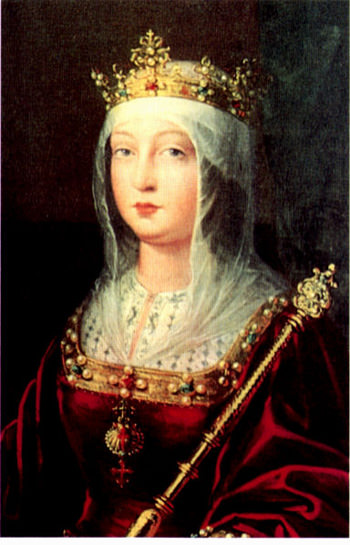
Isabella I of Castile, commonly known as Isabella the Catholic, was also born in this city. She is the most relevant and transcendental Queen that ever ruled in Spain. Her great significance in Spanish history can be deduced from the crucial moments she induced such as the reconquest of the Iberian Peninsula from the Arabs and her crucial support to Columbus on his expeditions to America.
The most recent historic character is Adolfo Suárez. Born in Cebreros (a village of Ávila) and raised in the Spanish capital, this graduate in Law by the University of Salamanca and doctorate by the University of Madrid was devoted to politics for most of his life. His politic climax was his appontment as the Managing Director of RTVE (Spanish public channels of radio and television) from 1969 to 1973. Since then, he lived the transition to democracy (1975) being the Prime Minister who chaired the period after the passing of the dictator Francisco Franco.

Suárez died in 2014 and, nowadays, his body is resting next to his wife in the Cathedral of Ávila. In 2014, Madrid’s airport was named after him as a token of gratitude by the Spanish Government for his important contribution during the process of the Spanish Transition.
Before travelling to Ávila, we recommend checking the meteorological situation in the city. No matter if it is on rainy, snowy, or sunny days, Ávila is a beautiful city for sightseeing; but it is more convenient to be prepared with the adequate clothing depending on the weather.
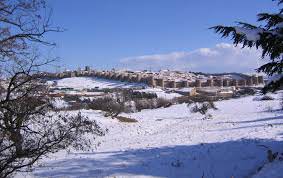
Normally, the business hours of the shops and services of Ávila are from 10:00 to 14:00 and from 17:00 to 20:00. On Saturday afternoon, only a small number of shops are open. On Sundays and public holidays, in most of the cases, the shops in Ávila are closed.
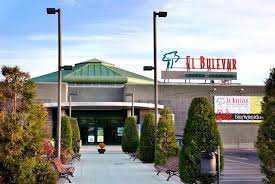
The shopping malls are open from Monday to Saturday and from 10:00 to 22:00. On Sundays and public holidays, they are usually closed. However, by clicking on the following link you can check the business hours in 2019 (in Spanish).
Ávila has been awarded by the Telefónica Foundation with the recognition of «Mapcesible city”, award that recompenses for the labour aimed at achieving the improvement of accessibility of public spaces, the adaptation of transport, parking spaces, and other initiatives and services aimed at facilitating the mobility of people in the historical downtown.
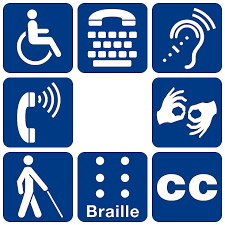
Some of the improvements realised by the City Hall of Ávila are: the adaptation of a section of the wall that surrounds the city, the regulation of parking spaces, accessible transportation, adapted cabs, and a wheelchair loan service for the people with reduced mobility that visits the city, among many other improvements.
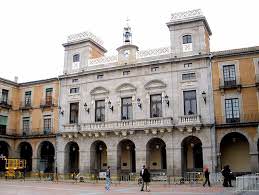
Urgency Services: 112
National Police: 091
Guardia Civil (Spanish military police): 062
Information of Ávila’s City Hall: 920 21 10 11
Ávila’s code: 920