

After arriving in Burgos, it is time to take a break, rest, and enjoy the gastronomy of Burgos. This gastronomy combines the savour of traditional cooking with the new concepts of cuisine. These dishes can be delighted in restaurants located in the surroundings of the Cathedral such as the square of Rey San Fernando and Nuño Rasura Street; on the pedestrian streets, where the best “tapas” places are located; and on the places next to the Plaza Mayor or Main Square, such as Sombrería Street.
In 2013, Burgos was awarded with the prize of Spain’s Gastronomic Capital and, according to The New York Times, Burgos is the 25th place in its list “The 46 Places to Go in 2013”, in part, due to its “dynamic dining scene” achieved by “a new group of talented chefs” that allows the city “a chance to showcase its homegrown delicacies”. Thanks to these recognitions, its inhabitants can presume that “one can eat greatly in Burgos”.
The opportunity of tasting the gastronomy of Burgos is a highly recommended experience, especially the delight of the savour of the morcilla (blood sausage) and its cheeses accompanied by a wine of the region. The following are just some examples of Burgos’ excellent gastronomy.
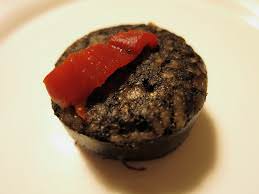
“Bland, oily, and spicy”. This is how the gastronomic experts designate Burgos’ morcilla. This product is typical in the pigkilling’s period, custom realised in the community of Castile-León. It is elaborated with tripe, lard, and blood of pig. Some people also add vegetal products such as pepper, onion, paprika, and, then, rice in order to swell the morcilla.
Due to the name of this dish, which means «rotten pot», there are not a lot of people who dare to taste it. But, if you ignore the prejudice that its name generates, you can enjoy one of the delicacies and very typical products of Burgos.
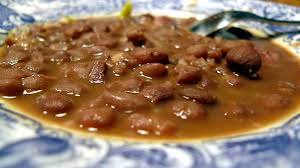
It is a stew, made with red beans, sausage, ribs, bacon, morcilla, and pickled meat. This entire mixture of ingredients results on an explosion of savours in our palate.
The Lechazo of Burgos is a token of reputation with a great tradition behind it. The most common sheep of the region is the churra sheep, in this case the “lechal” or suckling lamb (the sheep’s breeding that has only been feed with breast milk), is a spring delicacy. The preparation of this dish is not very difficult, since its savour by itself is superb.
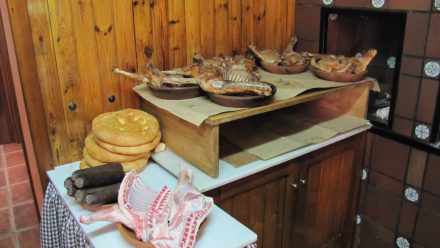
Once the cooking is started, a clay pot is needed and, then, the lamb has to be set off in quarters. Next, the pot has to be placed in a wood-fired oven and it is accompanied with an oil cake or traditional bread, salad if desired, and an excellent red wine (A Ribera de Duero wine if possible).