


Salamanca is a Spanish municipality and city, capital of the homonymous province, situated in the autonomous community of Castile-León. It is located in the region of El Campo de Salamanca, in the middle of the North plateau, in the North-east of the Iberian Peninsula. It has a population of 143,978 inhabitants registered by the City Hall’s Census in 2018. Its functional area has 331,473 citizens, making it the third most populated in the community, after those of Valladolid and León.
Salamanca is a city that has been habited by several Spanish celebrated characters, mostly due to having the University of Salamanca as cultural and social core. Apart from the ones born in Salamanca, there are a lot of people that has been adopted by the city as Salamanca’s natives. In the next lines, we mention some of the several celebrated characters related to the city of Salamanca.
Santiago Martín Sánchez: ( July 18, 1938, Salamanca) known as El Viti, he is a now-retired Spanish bullfighter.

Vicente del Bosque González, or the Marquis of El Bosque ( December 23, 1950, Salamanca). He is a former coach and football player. He was also the coach of the Spanish National football team since July 17, 2008 until July 4, 2016. This native of Salamanca was distinguished as the best coach of the world by the FIFA in 2012, and, in an honorific level, he was provided with the title of first Marquis of El Bosque by the former king Juan Carlos I in 2011.
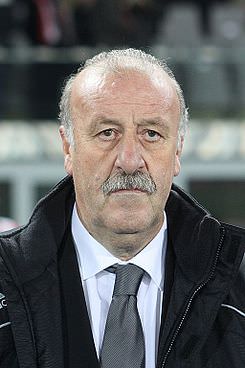
Gonzalo Torrente Ballester: ( June 13, 1910, La Coruña – January 27, 1999, Salamanca). He was a teacher and writer, one of the most acclaimed of his generation. He was awarded with the Cervantes prize, the Prince of Asturias Literature Award, and the Premio Nacional de Narrativa, among many others awards and recognitions. Despite not having been born in Salamanca, he spent a great part of his life in this city. For this reason, he is a celebrated character that has been adopted by the city. In the literary café named “Novelty”, located in Salamanca’s Plaza Mayor, there is a sculpture of him in his memory.
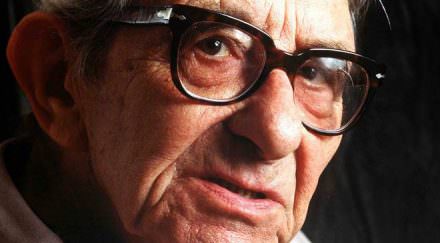
Miguel de Unamuno: novelist and poet of the Spanish literary group “Generation of ‘98”. In the early 20th century, he was the University of Salamanca’s dean for thirteen years, added to three more years during the period of the Spanish Republic. In 1934, he was designated Life Dean of the University as honorary title.

The University of Salamanca is a Spanish public university situated in the city of Salamanca. It is the first university build of Spain and the third one in Europe. The Studium Generales, instituted by Alphonse IX of León in 1218, was the second oldest Stadium of Spain after Palencia’s one. On November 9 of the year 1252, it obtained the title of University by the Royal Certificate of Alphonse X “the Wise”.
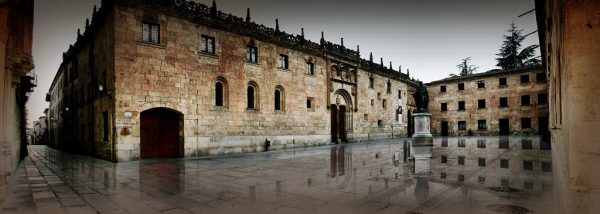
The University of Salamanca is also commonly known by the abbreviation of USAL, abbreviation frequently used by its students.
Before travelling to Salamanca, we recommend checking the meteorological situation in the city. No matter if it is on rainy, snowy, or sunny days, Salamanca is a beautiful city for sightseeing; but it is more convenient to be prepared with the adequate clothing depending on the weather.

Normally, the business hours of the shops and services of Salamanca are from 10:00 to 14:00 and from 17:00 to 20:00. On Saturday afternoon, only a small number of shops are open. On Sundays and public holidays, in most of the cases, the shops in Salamanca are closed.
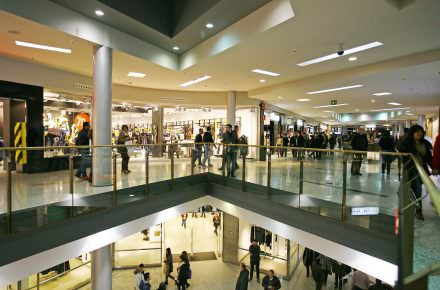
The shopping malls are open from Monday to Saturday and from 10:00 to 22:00. On Sundays and public holidays, they are usually closed. However, by clicking on the following link you can check the business hours in 2019 (in Spanish).

Urgency Services: 112
National Police: 091
Guardia Civil (Spanish military police): 062
Information of Salamanca’s City Hall: 923 27 91 00
Salamanca’s code: 923